


Buying a pre-owned car for dummies.

Buying a car is no longer considered a form of luxury, but a means of necessity for transportation. With the state of the economy currently, the price for a brand new car is too expensive for most people who just want a car for transportation purposes, and most individuals would resort to buying a second hand car. However, buying a pre-owned car is far from similar to buying a new car. There are various factors to consider when buying a pre-owned car, to avoid problems from arising in the future. Here are top 10 tips to consider when purchasing a second hand car.
Set Your Budget
Before going to a second hand shop, you should set a limit to your budget that caters to your needs and your financial wellbeing. Setting a budget can narrow down your options, making deciding easier, as you can look for a suitable car make or a model that caters to your budget.

To avoid any long-term financial burden, make sure that the price does not exceed your annual income, or your monthly payment does not exceed 15% of your monthly income.
Survey second hand cars
Always keep your options open. Look for other shops or websites to survey which car can get you the most savings with the best quality. You should survey for shops online before going to the physical store, to avoid buying a car beyond your budget.
Limit your choice based on car manufacturing year
Most experts recommend that when buying a second hand car, its best to limit your choice to cars that do not go over 5 years after their manufacturing date, as there might be underlying risks and problems. It’s better to get a slightly newer and pricey car as getting an old car that acts up might cost a lot for repairs, and you may regret getting it.
Check car mileage
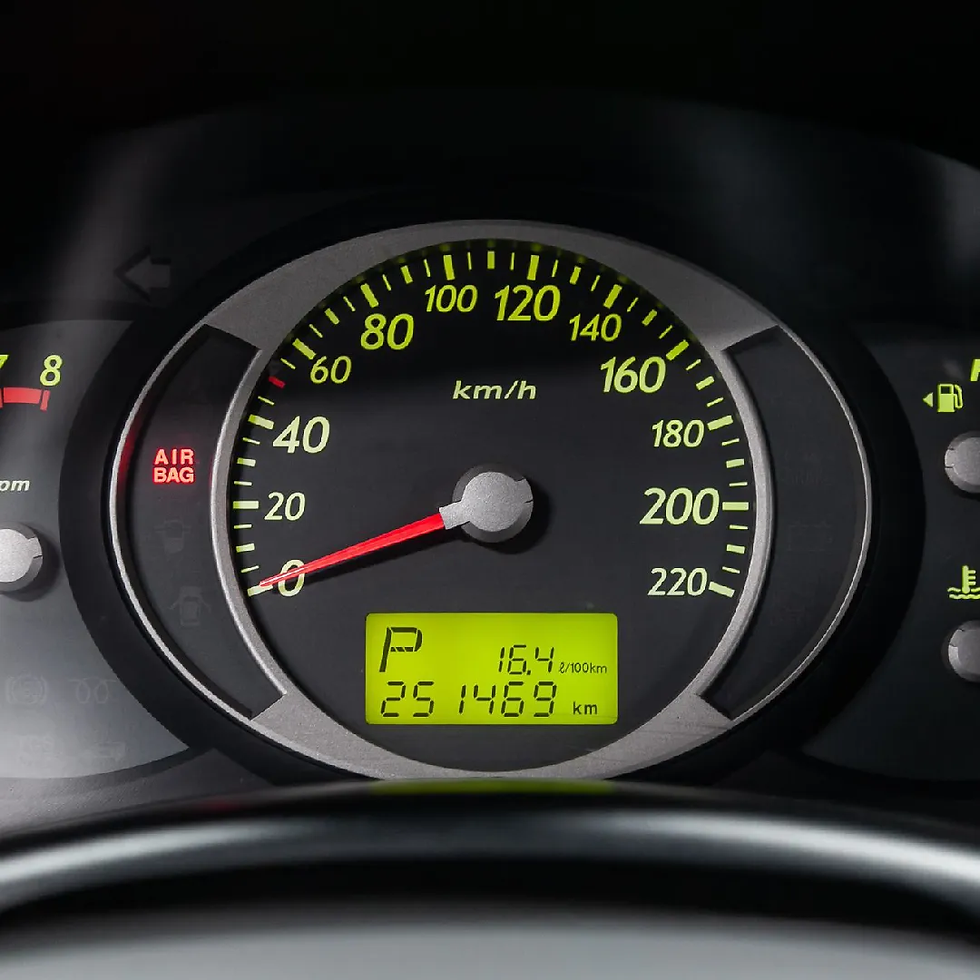
When buying a second hand car, it is always advised to check the mileage of a car, and make sure that the mileage is not too high, but moderate. Most cars with high mileage are generally cheaper, as it lowers their sales value, but it also shows that the car is worn out and could potentially cause issues.
Check the car usage history
When you see a car that is too good to be true, chances are it is. When a car is being sold at an incredibly low price and appears to be in standard condition, there are things that the seller may not be telling you. Chances are the car might have been involved in an accident, or has a high car mileage, or has a long series of different owners. These conditions might create risks of having a car breakdown in the future.
Check the service record of the previous car owner
To be safe, you should check for the service records that the previous owner has done, and ensure that the car is serviced regularly. Knowing the service record can help you know about the history of the car and its services, like replaced parts, or significant damages on the car.
Check the exterior and interior of the car

Don’t get distracted by the low price of the car. Check the exterior and interior of the car thoroughly. Make sure there are no damages or defects. If there is, you should negotiate with the seller for a discount, or compensation. You should know a full-body paint to cover up scratches can cost up to RM2000, and if the body of the car needs working, it can cost RM150 and more.
Inspect the engine

After checking the other parts of the car, you can inspect the engine of the car to ensure its in a good condition. If you are unsure on how you can inspect it, it’s better to get help from an expert, like a car mechanic, so that you can rest assured that you are not being deceived.
Test drive the car
You are entitled to a test drive for a car you’d like to buy, and this should be a driving factor to show that you have made the right choice. When test driving, pay attention to the following:
Brake your car slowly to check for weird sounds.
Take a turn to see if there is any sound when you turn your steering wheel.
Drive in various speed limits and listen for any noise, engine, steering wheel vibration, or the suspension system.
Test if the car can shift the gears smoothly.
Thoroughly inspect a secondhand car before buying it
You should also look at the monthly loan payment, car services, insurance, and road tax annual renewal before buying the car. Buying a car is a long-term commitment and taking any necessary steps to avoid regretting in the future.


Comments